The detailed overview of Bulk Plastic Containers for versatile storage
Wiki Article
The Function of Bulk Plastic Containers in Effective Recycling Practices and Sustainability
Mass plastic containers are indispensable to modern recycling initiatives. Their layout boosts the performance of material collection and transport, adding to sustainability objectives. These containers not just maximize area however also help in keeping an eye on contamination degrees. Nonetheless, their execution is not without obstacles. Recognizing the complete range of their impact exposes an intricate partnership between logistics and ecological responsibility that requires further expedition.Recognizing Mass Plastic Containers
Mass plastic containers work as a vital component in different sectors, assisting in the storage and transport of items. These containers are generally made from robust products such as high-density polyethylene (HDPE) or polypropylene, which give durability and resistance to ecological factors. Their layout typically includes attributes like stackability and modularity, enabling reliable use of area during both storage space and transit.Industries such as agriculture, food processing, and producing regularly make use of bulk plastic containers as a result of their lightweight nature and convenience of handling. The containers come in numerous sizes and configurations, accommodating the details requirements of different products. Their versatility prolongs past plain performance; they can additionally be tailored with lids, manages, and labeling options to enhance use - Bulk Plastic Containers. Consequently, mass plastic containers play an essential function in optimizing logistics and supply chain procedures throughout several sectors, thus contributing to general performance and cost-effectiveness
Benefits of Making Use Of Bulk Plastic Containers in Recycling
The utilization of bulk plastic containers significantly improves the efficiency of the process when companies focus on reusing efforts. These containers are designed to enhance room, enabling the storage and transportation of larger amounts of recyclable materials. This results in less journeys to reusing facilities, consequently minimizing fuel intake and associated emissions.In addition, bulk plastic containers are durable and resistant to various ecological variables, making sure that materials continue to be shielded throughout handling and transportation. Their light-weight layout further contributes to reduce transportation expenses.
Furthermore, the uniformity of these containers promotes better sorting and processing of recyclable materials, which can improve total recycling rates - plastic bulk containers. Organizations that take on bulk plastic containers also show a dedication to sustainability, positively influencing their brand photo. Eventually, these advantages not just improve reusing practices however additionally add to wider environmental objectives
How Bulk Plastic Containers Facilitate Material Collection
Efficient material collection is greatly boosted by the use mass plastic containers, as they provide a organized and reliable solution for gathering recyclable things. These containers are developed to fit large quantities of materials, which streamlines the sorting and storage space procedure. Their stackable style takes full advantage of room use, making it much easier for facilities to organize recyclables without mess.In enhancement, mass plastic containers are weather-resistant and resilient, permitting exterior placement without deterioration. This strength ensures that products stay protected until they are gathered for processing.

The uniformity in dimension and shape of these containers helps with standardization across collection points, allowing better monitoring of recyclable volumes. In addition, their clear nature permits for simple exposure of components, aiding in the monitoring of contamination levels and assuring that just ideal materials are accumulated. On the whole, bulk plastic containers play a crucial function in improving the material collection process, consequently advertising effective reusing techniques.
Transport Performance and Environmental Effect
Transportation performance plays an essential role in the recycling process, especially via the optimization of tons capacity wholesale plastic containers. By optimizing the volume of material transported, business can greatly decrease the number of trips required, thereby lessening their carbon footprint. This strategy not just boosts functional efficiency yet additionally contributes to a lot more lasting ecological techniques.
Optimizing Tons Capability
Although optimizing load ability is frequently overlooked, it plays a necessary function in improving transport efficiency and reducing environmental influence in recycling practices. By making best use of the quantity that bulk plastic containers can hold, reusing operations can lower the variety of journeys needed for transportation. This not only decreases fuel usage however also reduces the deterioration on automobiles. Effective tons administration permits centers to use room successfully, ensuring that each transport cycle is as effective as possible. Additionally, well-optimized loads can bring about far better negotiations with logistics carriers, potentially minimizing overall costs. Ultimately, boosting load capability adds to a more sustainable reusing system by promoting effective source usage and minimizing waste generated throughout transport.Minimizing Carbon Impact
As recycling operations venture to reduce their environmental impact, decreasing the carbon footprint connected with transportation becomes an essential objective. Bulk plastic containers play an important function in accomplishing this purpose by improving lots efficiency and enhancing logistics. Their light-weight yet long lasting design permits for optimum cargo room use, minimizing the variety of trips needed to deliver materials. By combining deliveries, reusing facilities can lower gas usage and greenhouse gas discharges. Additionally, strategically situating recycling centers decreases transportation distances, additionally lowering carbon results. In addition, employing fuel-efficient automobiles and alternative energy sources improves overall sustainability. By integrating these techniques, the reusing industry can considerably diminish its carbon impact, adding to an extra sustainable future.Difficulties in making use of Bulk Plastic Containers

Contamination Problems
Contamination issues stand for a significant challenge in the efficient usage of bulk plastic containers within reusing techniques. These containers usually gather residues from previous components, resulting in blended materials that can hinder the recycling procedure. Pollutants such as food waste, chemicals, or non-recyclable products can compromise the honesty of the entire batch, leading to increased disposal expenses and reduced recycling prices. Additionally, inappropriate cleansing or sorting can exacerbate these concerns, making it challenging for recycling facilities to process materials efficiently. The presence of contaminants not just influences the quality of recycled items however additionally threatens the overall sustainability initiatives focused on minimizing plastic waste. Dealing with these contamination obstacles is critical for improving the effectiveness of plastic bulk containers bulk plastic container recycling.Recycling Infrastructure Limitations
Ineffectiveness in reusing infrastructure presents significant obstacles for the reliable management of mass plastic containers. Many reusing facilities do not have the ability to process big quantities of these containers efficiently, resulting in increased delays and costs. Additionally, poor arranging technologies typically bring about contamination, as mass containers might be combined with other materials, complicating the recycling process. Limited transport options also prevent the activity of mass plastic containers to appropriate reusing centers, resulting in raised landfill waste. In addition, an absence of standardized protocols for mass container recycling produces confusion among companies and customers, further making complex initiatives to advertise sustainability. Attending to these infrastructure constraints is vital to improve recycling practices and take full advantage of the possibility of mass plastic containers in a round economic situation.Ideal Practices for Executing Bulk Plastic Containers
When companies take into consideration executing bulk plastic containers in their reusing practices, they must focus on a critical strategy that enhances efficiency and decreases contamination dangers. Selecting the proper container dimension and kind is crucial to accommodate the quantity of materials being refined. Organizations needs to also establish clear labeling and signs to guide users on appropriate disposal techniques, reducing confusion and mistakes. Routine training sessions for staff can even more enhance these methods, making sure every person understands their duties in maintaining reusing stability.
Furthermore, companies ought to execute a regular maintenance timetable to inspect and tidy containers, preventing the build-up of pollutants. Partnering with local recycling centers can likewise streamline the collection procedure, ensuring that materials are properly refined. Companies must keep track of and assess their recycling metrics, using this information to fine-tune methods over time and promote constant enhancement in their sustainability initiatives.
The Future of Bulk Plastic Containers in Lasting Practices
As organizations significantly prioritize sustainability, the role of mass plastic containers in recycling techniques is readied to progress significantly. Developments in products science are bring about the development of recyclable and naturally degradable options, boosting the ecological advantages of mass plastic containers. Furthermore, the execution of closed-loop systems will enable for easier collection and repurposing of these containers, reducing waste and resource intake.Technical advancements, such as clever tracking systems, will certainly enable firms to keep track of the lifecycle of mass containers, improving efficiency in recycling procedures. As consumer demand for sustainable practices grows, businesses will likely take on bulk plastic containers developed for reuse and long-lasting worth. Partnership between governments and sectors will foster the establishment of standard reusing protocols, making sure that bulk containers are properly integrated into wider sustainability efforts. In general, the future of bulk plastic containers appears encouraging, with substantial possibility for adding to a circular economic situation.
Often Asked Questions
Just How Are Bulk Plastic Containers Made and What Products Are Used?
Bulk plastic containers are normally made from high-density polyethylene (HDPE) or polypropylene (PP) These materials are refined with injection molding or strike molding techniques, causing resilient, light-weight containers suitable for numerous storage space and transport demands.
Can Mass Plastic Containers Be Recycled Several Times Prior To Recycling?
Yes, bulk plastic containers can be recycled multiple times before recycling. Their toughness and style enable duplicated use in numerous applications, advertising sustainability and resource efficiency while reducing the need for new containers.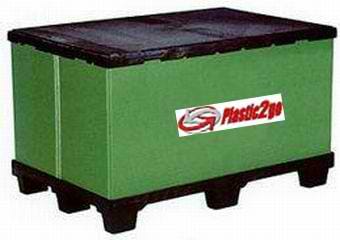
What Accreditations Exist for Bulk Plastic Containers in Recycling?
Numerous accreditations for bulk plastic containers include the Recycling Partnership's qualification, the Cradle to Cradle Qualified ™ standard, and the Sustainable Packaging Union's guidelines, ensuring containers satisfy details ecological and recyclability criteria for efficient recycling.How Do Mass Plastic Containers Compare to Various Other Recycling Storage Space Options?
Bulk plastic containers use greater resilience and capacity compared to various other reusing storage space alternatives, reducing the threat of contamination and promoting effective transportation. Their style sustains better company, improving overall effectiveness in reusing operations.What Is the Life expectancy of a Mass Plastic Container in Recycling Processes?
The life expectancy of a mass plastic container in reusing processes commonly ranges from 5 to 10 years, relying on usage, worldly quality, and ecological problems, allowing for several cycles of usage prior to eventual disposal or recycling.When organizations focus on recycling efforts, the utilization of bulk plastic containers greatly improves the efficiency of the procedure. Transport effectiveness plays a crucial function in the reusing process, especially through the optimization of tons capacity in mass plastic containers. The usage of mass plastic containers in recycling techniques encounters substantial difficulties, specifically concerning contamination problems and limitations within reusing facilities. Contamination concerns represent a significant difficulty in the reliable use of mass plastic containers within recycling techniques. When companies take into consideration executing bulk plastic containers in their reusing practices, they need to prioritize a critical method that boosts effectiveness and reduces contamination risks.
Report this wiki page